Health is achieved when the Doshas are balanced, digestion is proper, body tissues and waste elimination function normally, and the mind, senses, and soul remain in harmony.
Reference: Sushruta Samhita, Sutra Sthana 15/41
WHAT IS NADI PARIKSHA?
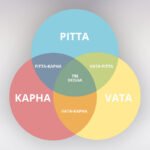
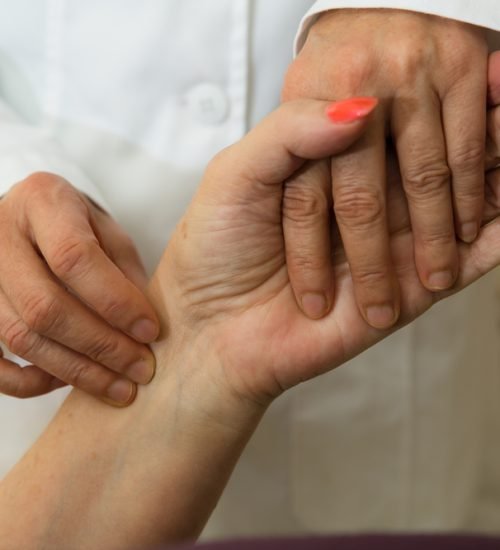
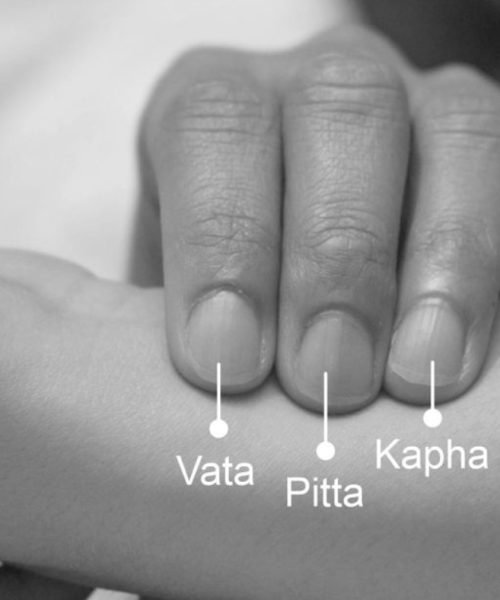
Nadi Pariksha (Pulse Diagnosis) is one of the oldest diagnostic methods described in Ayurveda. By gently examining the pulse at the wrist, an experienced Ayurvedic physician evaluates the functional balance of Vata, Pitta, and Kapha Doshas, along with the body’s overall constitution (Prakriti) and current state of health (Vikriti).
The pulse is understood in Ayurveda as a reflection of the body’s internal physiological balance. Nadi Pariksha is used together with your symptoms, medical history, physical examination, and other relevant findings to develop a personalized Ayurvedic treatment plan.
The Philosophy Behind Nadi Pariksha
Ayurveda believes that before a disease becomes clearly visible, subtle changes begin to occur within the body’s natural balance.
Nadi Pariksha aims to recognize these changes early by evaluating:
* Dosha Balance
* Digestive Fire (Agni)
* Ama (Metabolic Toxins)
* Dhatu (Body Tissue) Status
* Body Constitution (Prakriti)
* Functional Imbalances (Vikriti)
This holistic understanding helps guide individualized Ayurvedic care.
Why is Nadi Pariksha Important?
Many health concerns begin long before obvious symptoms appear.
Rather than focusing only on the affected organ, Ayurveda emphasizes understanding the body’s internal balance as a whole.
Nadi Pariksha helps our doctors create a treatment plan that is personalized to your unique constitution and current health status.
What Can Be Assessed Through Nadi Pariksha?
During the assessment, your Ayurvedic physician may evaluate:
Body Consultation (Prakriti)
Dosha Imbalance
Digestive Strength (Agni)
Lifestyle Influence
Sleep Pattern
Stress Levels
Seasonal Influence (Ritucharya)
Understanding The Three Doshas
Vata
Associated with movement, circulation, nervous system function, and communication within the body. .
Associated with stability, nourishment, immunity, and body structure. .
Signs of Kapha imbalance may include: .
* Weight Gain
* Sluggishness
* Excess Mucus
* Water Retention
* Slow Digestion
How Nadi Pariksha is Performed
Step 1
Patient Consultation
↓
Step 2
Medical & Lifestyle History
↓
Step 3
Pulse Examination
↓
Step 4
Ayurvedic Assessment
↓
Step 5
Understanding Root Cause
↓
Step 6
Personalized Treatment Plan
History of Nadi Pariksha
The Ancient Science of Pulse Diagnosis
Nadi Pariksha (Pulse Diagnosis) is one of the oldest and most respected diagnostic methods in Ayurveda. Its roots can be traced back to the ancient Ayurvedic tradition, where experienced Vaidyas (Ayurvedic physicians) assessed the pulse to understand the body’s internal balance before planning treatment.
Classical Ayurvedic texts such as the Charaka Samhita, Sushruta Samhita, and later specialized works like the Nadi Vigyan describe the importance of observing the body’s natural signs to understand health and disease. Over centuries, this knowledge was preserved through the Guru–Shishya Parampara (Teacher–Disciple Tradition), where pulse examination was learned through years of disciplined study, observation, and clinical practice.
Unlike a mechanical technique, Nadi Pariksha is considered a refined clinical skill that develops through continuous learning and experience. It is traditionally used alongside detailed history taking, physical examination, and other Ayurvedic methods to understand the patient’s overall health.
At S.S Ayurvedic Ausdhalya, Dr. Bijender Singh Jaglan has devoted decades to learning and practicing this ancient science. His journey began in 1992 under the guidance of his Guru, followed by advanced learning in Bihar and Himachal Pradesh, where he further deepened his understanding of classical Ayurveda and Nadi Pariksha. Today, this knowledge continues to guide personalized Ayurvedic care for every patient.
Nadi in Ayurveda
Understanding Health Through the Pulse
In Ayurveda, Nadi (Pulse) is regarded as an important indicator of the body’s internal functional balance. The pulse is not viewed merely as a heartbeat, but as one of the clinical observations that helps an experienced Ayurvedic physician assess the harmony of Vata, Pitta, and Kapha Doshas, along with other aspects of health.
During Nadi Pariksha, the physician gently examines the pulse at the wrist while considering the patient’s symptoms, medical history, lifestyle, digestion, sleep, emotional well-being, and overall clinical presentation.
The aim is to understand the individual’s Prakriti (Natural Constitution) and Vikriti (Current Imbalance) so that treatment can be personalized according to Ayurvedic principles.
Note: Nadi Pariksha is a traditional Ayurvedic assessment and is used together with clinical history, physical examination, and other investigations whenever required.
Best Time for Nadi Pariksha
When Should Nadi Pariksha Be Performed?
According to Ayurvedic practice, the pulse is ideally examined when the body and mind are calm. This allows the physician to observe the pulse under more natural conditions.
Recommended Time
🌅 Early Morning (Preferred)
The morning, before breakfast, is generally considered the most suitable time for Nadi Pariksha because the body is relatively calm and less influenced by recent food intake or daily activities.
If Morning Is Not Possible
Nadi Pariksha can also be performed later in the day. However, patients are advised to avoid factors that may temporarily influence the pulse immediately before the examination.
⸻
For the Best Assessment
✔️ Visit with a calm and relaxed mind.
✔️ Wear comfortable clothing.
✔️ Avoid heavy meals immediately before consultation.
✔️ Stay adequately hydrated.
✔️ Carry your previous medical reports and current medications, if any.
Conditions Where Nadi Pariksha Supports Ayurvedic Assessment
Digestive problems
Skin diseases
Chronic health issues
Lifestyle disorders
Women’s Health
Stress & Mental Wellness
Hair Problems
Men’s Health
Joint Disorders
WHY CHOOSE NADI PARIKSHA AT S.S. AYURVEDIC AUSHDHALAYA?
At S.S. Ayurvedic Aushdhalaya, Nadi Pariksha is performed by experienced Ayurvedic practitioners who follow authentic classical methods. Each assessment is conducted with deep concentration, patience, and individualized attention. Our approach goes beyond symptom-based diagnosis and focuses on understanding your body’s natural constitution, current imbalances, and long-term health tendencies. Based on the findings, a customized Ayurvedic treatment plan including medicines, Panchkarma, diet, and lifestyle guidance is suggested to ensure natural, safe, and sustainable healing.
Our Commitment
At S.S Ayurvedic Ausdhalya, every Nadi Pariksha is more than a pulse examination—it is the beginning of a personalized health journey. Our goal is to understand you as an individual and provide authentic Ayurvedic guidance that supports your long-term health, balance, and overall well-being.
Dr. Bijender Singh Jaglan’s Expertise
Dr. Bijender Singh Jaglan has dedicated more than three decades to the study and practice of Ayurveda.
His journey began in 1992, when he started learning Ayurveda from his Guru. He further deepened his knowledge through years of study in Bihar and Himachal Pradesh, where he refined his understanding of classical Ayurveda and Nadi Pariksha.
Over the years, continuous clinical practice, disciplined study, and spiritual dedication have strengthened his expertise in pulse diagnosis. Today, he is known for using Nadi Pariksha as an integral part of personalized Ayurvedic assessment at S.S Ayurvedic Ausdhalya.
Why Choose S.S Ayurvedic Ausdhalya?
27+ Years of Experience
Providing authentic Ayurvedic treatment, since 1999
50,000+ Patients Treated
Successfully helping thousands of patients recover through Ayurveda
Expert in Nadi Pariksha
Accurate diagnosis through pulse examination and symptoms
Expert In Panchkarma
Three generations of Ayurvedic tradition delivering trusted Panchkarma therapy.
Team of Expert Ayurvedacharya
Three generations of Ayurvedic wisdom dedicated to natural healing
Online Consultation Available
Consult our experts from anywhere with ease
FAQ's
Frequently Asked Questions
Is Nadi Pariksha painful?
No. It is a gentle, non-invasive pulse examination performed at the wrist.
How long does it take?
The pulse examination itself usually takes only a few minutes, while the complete consultation depends on the patient’s condition.
Do I need any blood tests before Nadi Pariksha?
Not necessarily. If you have previous medical reports, you may bring them. The doctor may also recommend additional investigations if clinically appropriate.
Can Nadi Pariksha replace modern medical tests?
No. Nadi Pariksha is a traditional Ayurvedic diagnostic method and is used alongside your symptoms, medical history, physical examination, and other investigations when needed.
Is Nadi Pariksha suitable for everyone?
Yes. It can be performed for adults of all ages as part of an Ayurvedic consultation.
Get A Call Back From Our Ayurvedic Expert Within 24 Hours