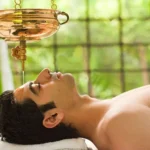
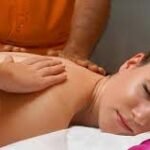
A person is considered healthy when the Doshas, Agni, Dhatus, and elimination are balanced, and the mind, senses, and soul remain in harmony.
Reference: Sushruta Samhita
What is Panchkarma?
The word Panchakarma comes from Sanskrit:
Pancha = Five
Karma = Therapeutic Procedures
These five classical procedures are designed to help remove accumulated Doshas, restore balance, and support the body’s natural healing processes according to Ayurveda.
Panchakarma is not a general massage or spa therapy. It is a structured Ayurvedic treatment protocol that should always be performed under the supervision of qualified Ayurvedic physicians.
The Five Classical Panchakarma Procedures
1. Vamana
Therapeutic Emesis
What is Vamana?
Vamana is a classical Ayurvedic purification procedure performed under strict medical supervision to eliminate aggravated Kapha Dosha through controlled therapeutic emesis.
May Be Recommended For
* Certain Kapha-dominant disorders
* Selected respiratory conditions
* Certain skin disorders
* Some metabolic disorders
Suitable Candidates
Patients selected after detailed Ayurvedic assessment.
Not Recommended For
* Pregnancy
* Young children (unless specifically advised)
* Frail or severely weak individuals
* Certain heart conditions
* Acute medical emergencies
श्लोक
कफे विदध्याद् वमनम्।
Reference: Charaka Samhita
Meaning
Therapeutic emesis (Vamana) is indicated in appropriate Kapha-dominant conditions after proper Ayurvedic assessment.
2. Virechana
Therapeutic Purgation
What is Virechana?
A controlled purification procedure intended to eliminate aggravated Pitta Dosha through the gastrointestinal tract.
May Be Recommended For
* Certain liver disorders
* Selected skin disorders
* Pitta-related conditions
* Some digestive disorders
The exact preparation depends on the patient’s health condition and the selected Panchakarma procedure.
श्लोक
स्नेहस्वेदोपपन्नस्य शोधनं शस्यते नरः।
Reference: Charaka Samhita
Meaning
Purification therapies are advised after proper preparation with Snehana and Swedana.
Pradhana Karma
The main Panchakarma procedure is performed according to classical Ayurvedic principles under medical supervision
Paschat Karma (Post-Therapy Care)
Proper care after Panchakarma is essential to support recovery and help maintain the benefits of therapy.
Before Panchakarma
Recommended
✔️ Eat light meals as advised
✔️ Sleep adequately
✔️ Stay hydrated
✔️ Inform your doctor about all medications
✔️ Wear comfortable clothing
✔️ Follow the doctor’s instructions
✔️ Follow the prescribed diet (Samsarjana Krama, when advised)
✔️ Drink adequate water
✔️ Take sufficient rest
✔️ Follow medicine schedule
✔️ Attend follow-up consultations
✔️ Resume routine gradually as advised
⸻
Avoid
❌ Junk food
❌ Heavy exercise immediately after therapy
❌ Late-night waking
❌ Smoking
❌ Alcohol
❌ Mental stress
श्लोक
शुद्धे शरीरे ह्यौषधानि सम्यग् कार्याणि कुर्वते।
Reference: Traditional Ayurvedic principle discussed in Charaka Samhita
Meaning
After appropriate purification, the body becomes more receptive to treatment according to Ayurvedic principles.
Yogya Rogi (Who May Be Suitable?)
Panchakarma may be considered for patients after Ayurvedic assessment, including those with:
✔️ Lifestyle-related disorders
✔️ Certain joint and musculoskeletal conditions
✔️ Some digestive disorders
✔️ Selected skin conditions
✔️ Certain respiratory conditions
✔️ Stress-related complaints
✔️ General wellness and rejuvenation (where appropriate)
Suitability is always determined individually by the Ayurvedic physician.
Ayogya Rogi (Who May Not Be Suitable?)
Panchakarma maPanchakarma may not be appropriate for everyone. Depending on the therapy and clinical assessment, it may not be recommended for:
* Pregnant women
* Patients with severe acute illness
* Very elderly or extremely weak individuals
* Severe dehydration
* Certain cardiac conditions
* Active infections
* Medical emergencies
The final decision is always made after a detailed consultation and examination.
Panchakarma at S.S Ayurvedic Ausdhalya
We believe Panchakarma should be performed with authenticity, safety, and individualized care.
One of the unique features of S.S Ayurvedic Ausdhalya is our commitment to quality.
Many of the herbal oils, medicated preparations, and therapy ingredients used during Panchakarma are prepared in our own Ayurvedic preparation room using carefully selected herbs and classical Ayurvedic principles.
This allows us to maintain quality, freshness, and consistency while providing personalized Ayurvedic care.
Panchakarma Appointment Process
Step 1
Book Appointment
Step 2
Detailed Consultation
Step 3
Nadi Pariksha
Step 4
Ayurvedic Assessment
Step 5
Selection of Suitable Panchakarma Therapy
Step 6
Slot Booking
Step 7
Therapy
Step 8
Post Panchakarma Guidance
Step 9
Follow-Up
Why Choose S.S Ayurvedic Ausdhalya?
27+ Years of Experience
Providing authentic Ayurvedic treatment, since 1999
50,000+ Patients Treated
Successfully helping thousands of patients recover through Ayurveda
Expert in Nadi Pariksha
Accurate diagnosis through pulse examination and symptoms
Expert In Panchkarma
Three generations of Ayurvedic tradition delivering trusted Panchkarma therapy.
Team of Expert Ayurvedacharya
Three generations of Ayurvedic wisdom dedicated to natural healing
Online Consultation Available
Consult our experts from anywhere with ease
Get A Call Back From Our Ayurvedic Expert Within 24 Hours