

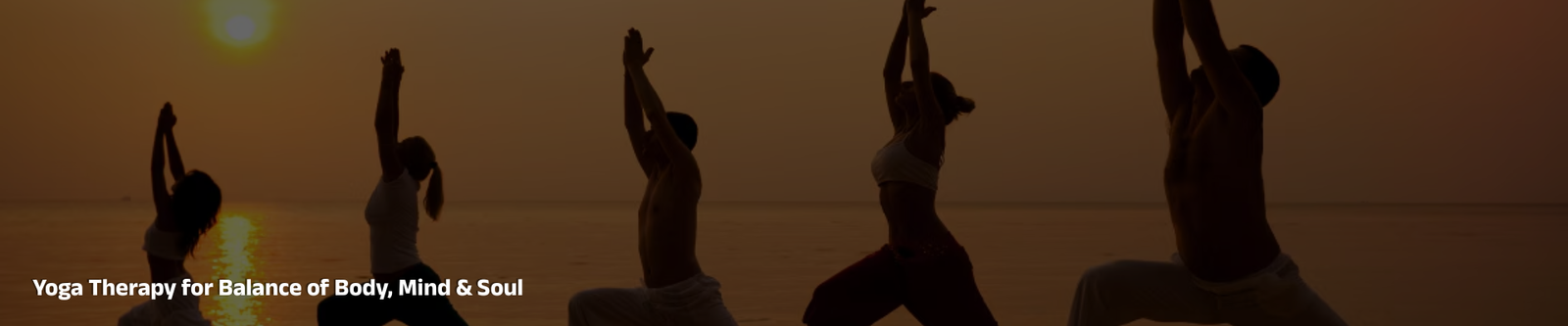
Restore Balance Through Yoga & Ayurveda
Yoga aur Ayurveda ek doosre ke poorak (complementary) hain. Ayurveda sharir ko andar se santulit karta hai, jabki Yoga sharir, man aur atma ke samanvay ko majboot banata hai. Dono ka saath milkar anusaran karne se vyakti apne swasthya aur jeevan ki gunvatta ko behtar bana sakta hai. At S.S Ayurvedic Ausdhalya, we encourage Yoga as a part of a healthy lifestyle along with Nadi Pariksha, Aahar, Vihaar, Ritucharya, and personalized Ayurvedic care.
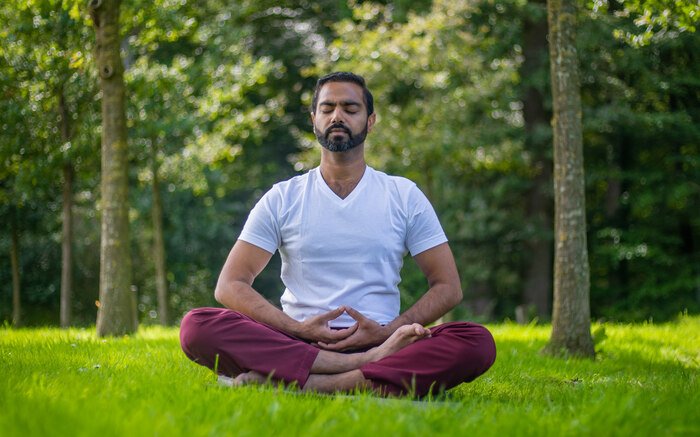
Yoga in Classical Texts
योगश्चित्तवृत्तिनिरोधः।
Reference: Patanjali Yoga Sutra 1.2
English Meaning
Yoga is the practice of calming and regulating the fluctuations of the mind.
Hindi Meaning
योग मन की चंचल वृत्तियों को नियंत्रित करने की प्रक्रिया है।
Reference: Patanjali Yoga Sutra 1.2
English Meaning
Yoga is the practice of calming and regulating the fluctuations of the mind.
Hindi Meaning
योग मन की चंचल वृत्तियों को नियंत्रित करने की प्रक्रिया है।
What is Yoga?
Yoga is an ancient Indian system that combines physical postures (Asanas), breathing techniques (Pranayama), meditation, and mindful living to promote overall health and well-being.
According to Ayurveda, Yoga helps maintain harmony between the body, mind, and spirit, making it an important part of preventive healthcare and a healthy lifestyle.
Surya Namaskar (Sun Salutation)
Yoga is an ancient Indian system that combines physical postures (Asanas), breathing technique
What is it?
Surya Namaskar is a sequence of 12 yoga postures performed in a flowing manner to promote flexibility, strength, and overall fitness.
Benefits
✔️ Improves flexibility and stamina
✔️ Supports healthy digestion
✔️ Enhances blood circulation
✔️ Boosts energy levels
✔️ Helps maintain a healthy weight
Best Time
Morning on an empty stomach.
Precautions
Avoid during acute illness, recent surgery, or if advised otherwise by your healthcare provider. (Pranayama), meditation, and mindful living to promote overall health and well-being.
According to Ayurveda, Yoga helps maintain harmony between the body, mind, and spirit, making it an important part of preventive healthcare and a healthy lifestyle.
Tadasana (Mountain Pose)
What is it?
A simple standing posture that promotes proper body alignment and balance.
Benefits
✔️ Improves posture
✔️ Enhances body balance
✔️ Strengthens legs
✔️ Supports spinal alignment
✔️ Improves concentration
Best Time
Morning or evening.
Precautions
Practice gently if you have balance difficulties.
Vrikshasana (Tree Pose)
What is it?
A balancing yoga posture performed while standing on one leg.
Benefits
✔️ Improves balance
✔️ Strengthens legs
✔️ Enhances focus
✔️ Improves coordination
✔️ Promotes mental stability
Best Time
Morning or evening.
Precautions
Avoid if you have severe dizziness or balance disorders without supervision.
Bhujangasana (Cobra Pose)
What is it?
A gentle back-bending posture that stretches the front of the body and strengthens the back muscles.
Benefits
✔️ Supports spinal flexibility
✔️ Strengthens back muscles
✔️ Opens the chest
✔️ May help improve posture
✔️ Promotes relaxation
Best Time
Morning on an empty stomach.
Precautions
Avoid in pregnancy, recent abdominal surgery, or severe back injury unless advised by a qualified instructor.
Vajrasana (Thunderbolt Pose)
What is it?
A seated posture traditionally practiced after meals.
Benefits
✔️ Supports digestion
✔️ Encourages good posture
✔️ Promotes relaxation
✔️ Suitable for meditation and breathing exercises
Best Time
After meals or during meditation.
Precautions
Avoid prolonged practice if you have severe knee pain or recent knee surgery.
Baddha Konasana (Butterfly Pose)
What is it?
A seated posture where the soles of the feet are joined together to gently stretch the hips and inner thighs.
Benefits
✔️ Improves hip flexibility
✔️ Stretches inner thighs
✔️ Supports pelvic mobility
✔️ Promotes relaxation
Best Time
Morning or evening.
Precautions
Practice gently if you have hip or groin injuries.
Shavasana (Corpse Pose)
What is it?
A deep relaxation posture performed while lying comfortably on the back.
Benefits
✔️ Relieves stress
✔️ Promotes relaxation
✔️ Helps calm the mind
✔️ Supports mental well-being
✔️ Completes every yoga session effectively
Best Time
At the end of every yoga practice.
Precautions
Practice in a quiet and comfortable place.
Anulom Vilom Pranayama
What is it?
A breathing practice involving alternate nostril breathing to promote calm and balanced breathing.
Benefits
✔️ Promotes relaxation
✔️ Supports respiratory wellness
✔️ Helps reduce stress
✔️ Improves concentration
✔️ Encourages balanced breathing
Best Time
Early morning or evening on an empty stomach.
Precautions
Practice gently and avoid forceful breathing.
Bhramari Pranayama (Bee Breathing)
What is it?
A calming breathing technique that involves producing a gentle humming sound during exhalation.
Benefits
✔️ Helps reduce stress
✔️ Promotes mental relaxation
✔️ Supports better concentration
✔️ Encourages emotional calmness
✔️ May support better sleep
Best Time
Morning, evening, or before meditation.
Precautions
Practice in a peaceful environment and avoid excessive force while humming.
Kapalabhati
What is it?
Kapalabhati is an advanced yogic breathing practice involving active exhalation and passive inhalation. It should be learned under the guidance of a qualified Yoga instructor.
Benefits
✔️ Supports respiratory health
✔️ Promotes mental alertness
✔️ May improve breathing efficiency
✔️ Supports digestive wellness
✔️ Energizes the body
Best Time
Early morning on an empty stomach.
Precautions
Not suitable for everyone. Avoid during pregnancy, uncontrolled high blood pressure, recent abdominal surgery, hernia, severe heart disease, or acute illness. Always practice under proper guidance if you are new to this technique.
How Yoga Works
Asana (Postures)
Improves flexibility, strength, and posture
Pranayama (Breathing)
Balances nervous system and energy flow
Dhyana (Meditation)
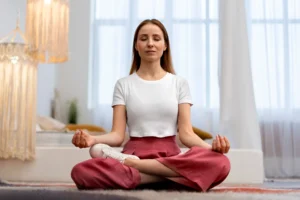
Reduces stress and enhances mental focus
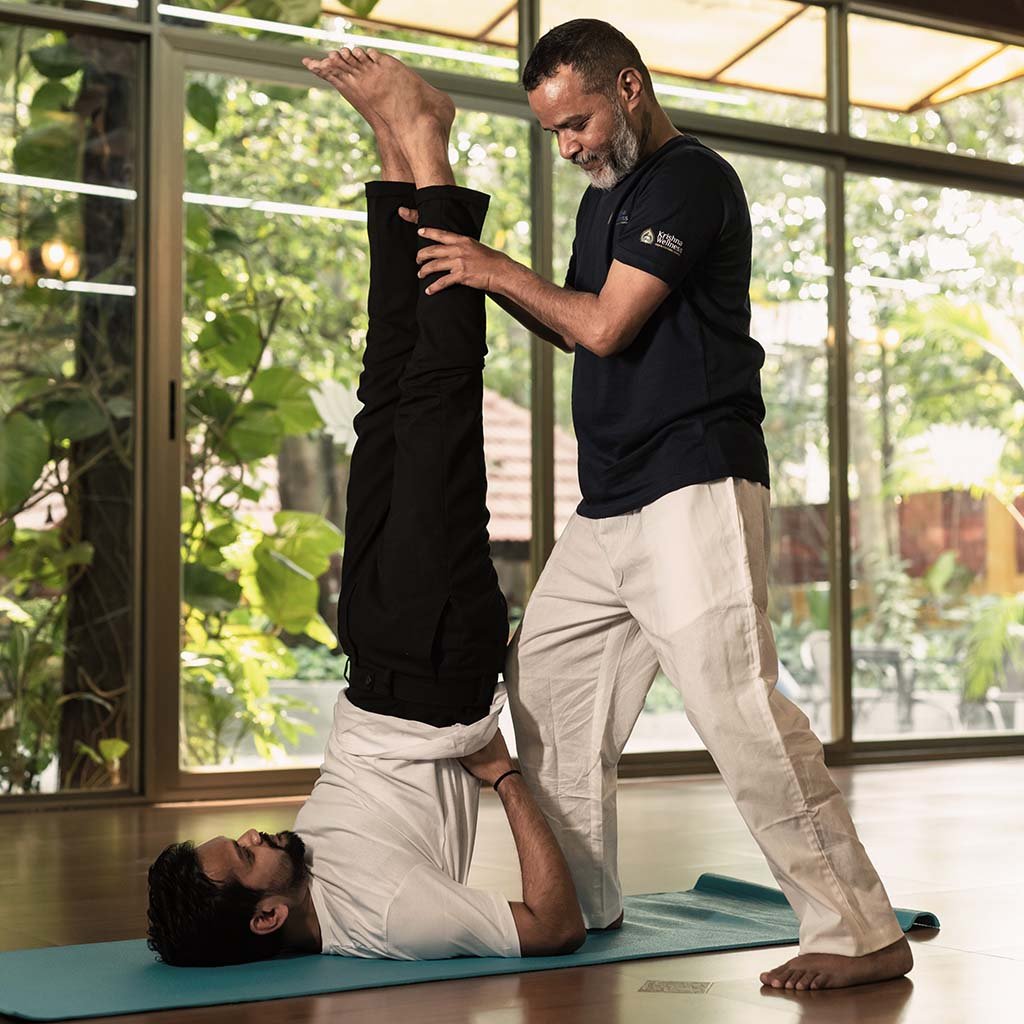
Benefits of Yoga
✔️ Physical Health
✔️ Improve flexibility and posture
✔️ Support joint mobility
✔️ Enhance muscle strength and balance
✔️ Improve breathing efficiency
✔️ Support healthy digestion
✔️ Promote better circulation
✔️ Improve flexibility and posture
✔️ Support joint mobility
✔️ Enhance muscle strength and balance
✔️ Improve breathing efficiency
✔️ Support healthy digestion
✔️ Promote better circulation
Daily Yoga Tips
✔️ Practice regularly rather than occasionally.
✔️ Focus on proper breathing.
✔️ Avoid comparing yourself with others.
✔️ Practice with patience and consistency.
✔️ Listen to your body’s limits.
✔️ End your session with relaxation or meditation.
✔️ Maintain a healthy diet and adequate sleep.
✔️ Focus on proper breathing.
✔️ Avoid comparing yourself with others.
✔️ Practice with patience and consistency.
✔️ Listen to your body’s limits.
✔️ End your session with relaxation or meditation.
✔️ Maintain a healthy diet and adequate sleep.

FAQ's
Frequently Asked Questions
Can beginners practice Yoga?
Yes. Beginners can start with simple postures and breathing exercises under proper guidance.
Should Yoga be practiced every day?
Regular practice is generally beneficial. The duration and intensity should match your age, fitness level, and health condition.
Can Yoga replace medical treatment?
No. Yoga is a supportive wellness practice and should not replace professional medical advice or prescribed treatment.
Can I practice Yoga after meals?
It is generally recommended to practice Yoga on an empty stomach or at least 2–3 hours after a meal.
Is Yoga suitable for older adults?
Many forms of Yoga can be adapted for older adults, but the practice should be individualized and supervised when necessary.