
ssayurvedic.com

S.S Ayurveda Aushdhalaya

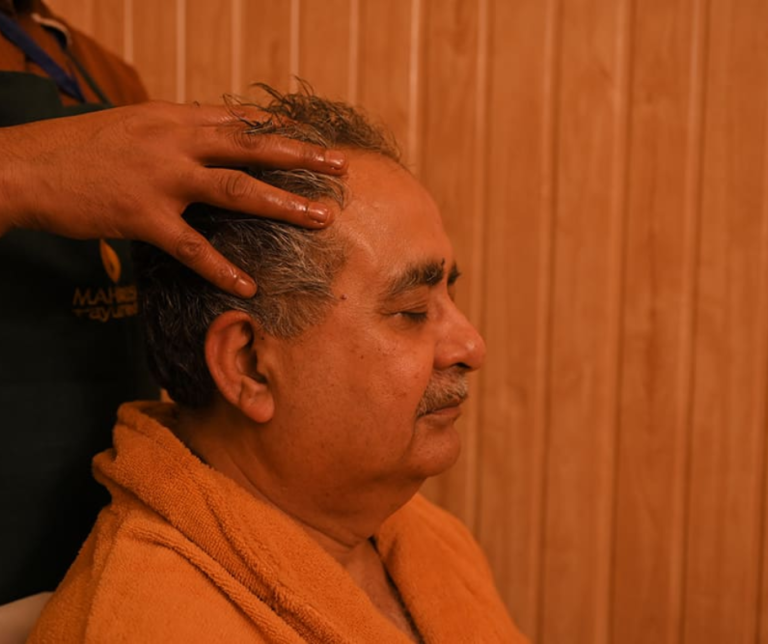
The Out-Patient Department (OPD) at Maharishi Ayurveda Hospital offers comprehensive consultation and treatment services to patients from Delhi and surrounding regions. Each month, approximately 2,000–3,000 patients visit our OPD, reflecting the trust placed in our authentic Ayurvedic care and experienced medical team.
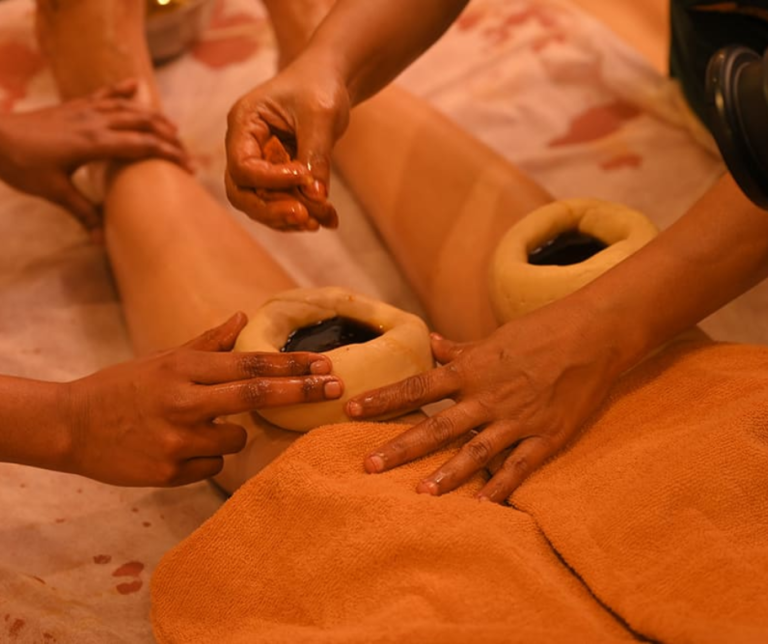
Natural Detoxification

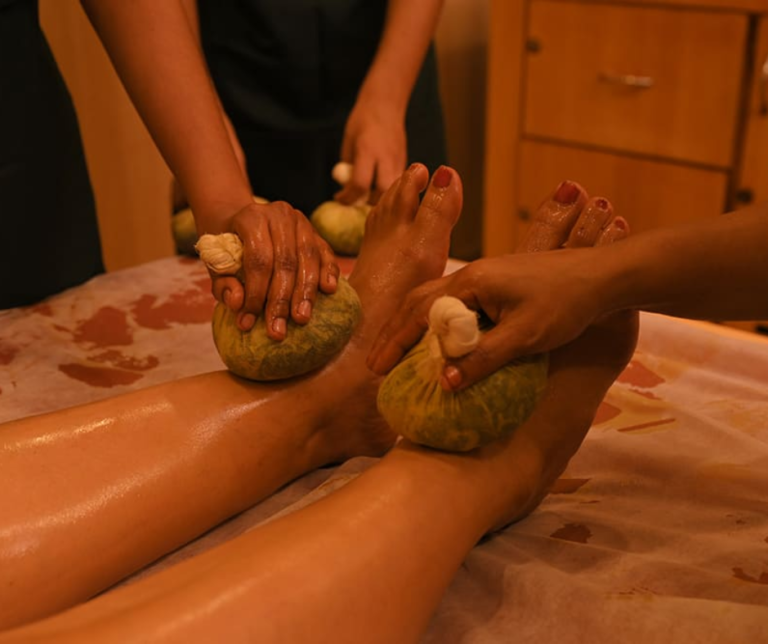
Natural detoxification is a fundamental aspect of Ayurvedic wellness, designed to cleanse the body, mind, and consciousness of accumulated toxins and impurities. According to Ayurveda, toxins (ama) result from improper digestion, stress, and environmental influences, gradually disrupting the balance of the doshas—Vata, Pitta, and Kapha. When these toxins accumulate, they can manifest as fatigue, digestive disturbances, skin issues, or deeper imbalances affecting overall vitality.

Through carefully guided practices such as herbal therapies, cleansing diets, and mindful lifestyle routines, natural detoxification supports the body’s innate ability to purify itself. This process is not just physical; it harmonizes the subtle energies of the body, calms the mind, and restores a sense of inner clarity. By eliminating toxins gradually and naturally, the body’s systems—including digestion, metabolism, and immunity—are strengthened, creating a foundation for long-term health and vitality.

Detoxification also fosters a deeper connection between one’s inner self and the external environment. As the body becomes lighter and the mind calmer, awareness deepens, promoting conscious choices that support sustainable wellness. In Ayurveda, this process is considered preventive as well as curative, allowing the individual to not only heal from present imbalances but also safeguard against future disturbances.

Natural detoxification is thus a holistic journey, where purification and rejuvenation occur simultaneously, bringing harmony to the body, clarity to the mind, and peace to the spirit. Through these practices, wellness becomes a lived experience, rather than a temporary state, nurturing vitality that flows from within.

Pain Management

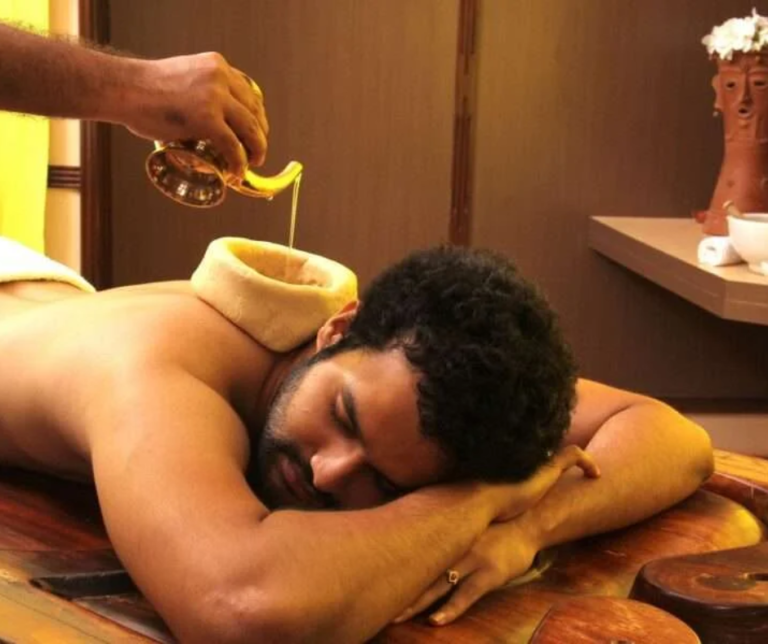
Ayurvedic pain management focuses on understanding the root cause of discomfort rather than merely suppressing symptoms. Through a combination of therapeutic treatments, herbal formulations, dietary guidance, and lifestyle adjustments, Ayurveda seeks to restore harmony within the body and promote natural healing. Techniques such as Abhyanga (medicated oil massage), Shirodhara (gentle oil flow on the forehead), and Panchakarma therapies work to balance the doshas, relax tense muscles, improve circulation, and eliminate accumulated toxins that contribute to inflammation and pain.

Herbs and natural remedies play a crucial role in managing pain. Formulations containing ingredients like Ashwagandha, Turmeric, Shallaki, and Guggulu are carefully selected to reduce inflammation, strengthen tissues, and rejuvenate the body without causing dependency or side effects. Alongside external therapies, Ayurveda emphasizes mindful movement, yoga, and meditation to ease muscular tension, enhance flexibility, and calm the nervous system, creating a holistic approach to pain relief.

Pain management through Ayurveda is therefore not just about alleviating suffering in the moment but nurturing the body’s natural resilience and restoring its ability to function optimally. With personalized care, attentive therapies, and a deeper understanding of one’s own constitution, healing becomes a journey that strengthens the body, clarifies the mind, and harmonizes the spirit, allowing individuals to live with greater comfort, vitality, and freedom from chronic discomfort.

Stress Free and Mental Boost

Ayurvedic approaches to stress relief and mental rejuvenation focus on restoring balance at multiple levels: physical, mental, and energetic. Gentle practices like Abhyanga (medicated oil massage), Shirodhara (continuous warm oil flow on the forehead), and Nasya (herbal nasal therapy) work to calm the nervous system, release accumulated tension, and enhance circulation of vital energy (prana) to the brain. These therapies create a sense of deep relaxation, helping the mind detach from stressors and re-establishing a natural rhythm of calmness and clarity.

Herbs play a pivotal role in enhancing mental resilience and cognitive function. Formulations containing Brahmi, Ashwagandha, Shankhpushpi, and Gotu Kola are carefully selected to nourish the nervous system, improve focus, reduce anxiety, and enhance memory. Alongside these herbal therapies, Ayurveda emphasizes mindful daily routines, yoga, and meditation to cultivate inner awareness, emotional balance, and mental flexibility. Breathwork (Pranayama) and guided relaxation techniques are especially effective in releasing tension, stabilizing mood, and boosting mental energy.

Ayurveda also recognizes that true mental wellness is deeply connected to physical health and digestive balance. A clean, toxin-free body, supported by proper nutrition and gentle detoxification, enhances clarity of thought and emotional stability. By synchronizing the body’s rhythms with the natural cycles of day and night, and by nourishing the mind with calm and conscious practices, stress naturally diminishes, and mental vitality flourishes.
Panchakarma is the cornerstone of Ayurvedic therapy, offering a profound approach to cleansing, rejuvenating, and restoring balance to the body, mind, and consciousness. The term “Panchakarma” literally means “five actions,” referring to five specialized therapies designed to eliminate accumulated toxins (ama), balance the doshas—Vata, Pitta, and Kapha—and strengthen the body’s natural capacity for healing. Unlike conventional detox methods, Panchakarma is deeply personalized, guided by an individual’s constitution (Prakriti), current imbalances (Vikriti), and overall health goals.

The Panchakarma process is both preventive and curative. By purifying the body from within, it addresses the root causes of many chronic conditions, rejuvenates tissues (dhatus), improves digestion and metabolism, enhances immunity, and promotes mental clarity. Each therapy in Panchakarma—Vamana (therapeutic emesis), Virechana (purgation), Basti (medicated enema), Nasya (nasal therapy), and Raktamokshana (bloodletting)—is performed with precise techniques, using carefully selected herbs, oils, and natural substances that harmonize the doshas without causing undue strain to the body.

Panchakarma is not merely a physical detox; it profoundly affects mental and emotional health. By calming the nervous system, balancing hormonal and energy levels, and removing accumulated stress and fatigue, the therapies foster mental clarity, emotional resilience, and spiritual well-being. Many individuals experience a renewed sense of vitality, improved focus, and a lighter, more harmonious state of being after completing Panchakarma.
Scroll to Top